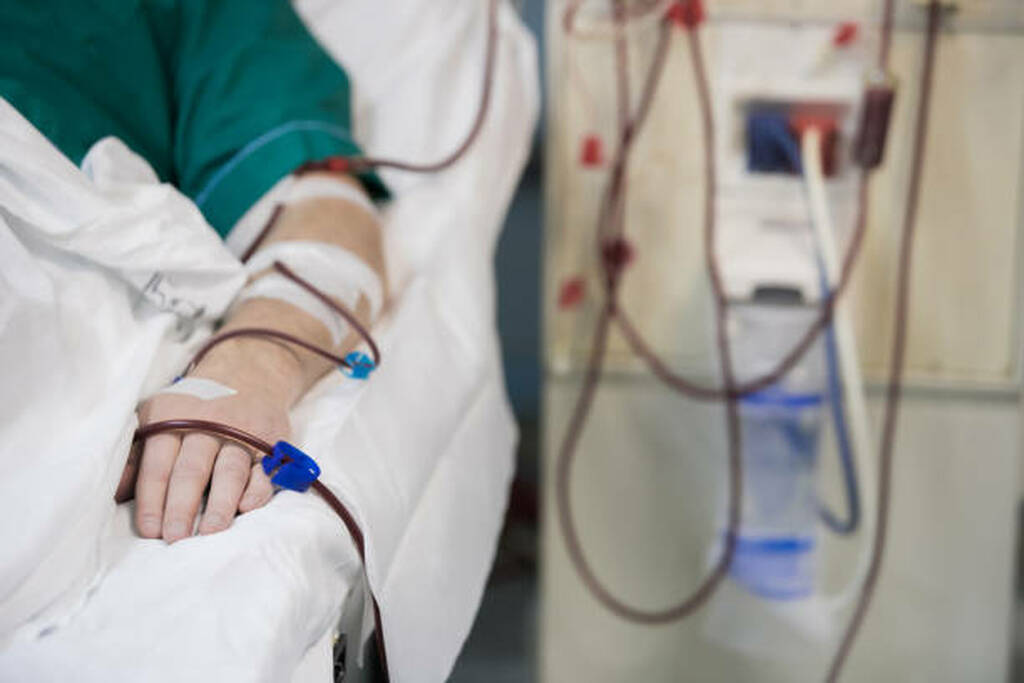
Dialysis is a life-saving medical procedure used to filter and remove waste products, excess fluid, and toxins from the blood when the kidneys can no longer perform these functions effectively. It helps maintain the body's electrolyte and fluid balance, which is essential for the normal functioning of the body.There are two main types of dialysis: hemodialysis and peritoneal dialysis . In hemodialysis, blood is filtered through a dialysis machine, while in peritoneal dialysis, the abdominal lining is used as a filter. Dialysis helps maintain fluid and electrolyte balance in the body, ensuring optimal health for people with reduced kidney function. Best Dialysis in Dadar
Hemodialysis is the most common type of dialysis and the one most people know about.
During the procedure, a tube is attached to a needle in your arm. The blood passes through the tube and into an external machine which filters it, before it is returned to the arm through another tube.
At dialysis centres, this is usually done 3 days a week, with each session lasting about 4 hours.
This can be done at home also. Some examples of home dialysis schedules include:
Peritoneal dialysis uses the inner lining of your abdomen (peritoneum) as a filter instead of a machine. Like the kidneys, the peritoneum contains thousands of tiny blood vessels, making it a useful filtering device.
Before treatment begins, a cut (incision) is made near your navel and a thin tube called a catheter is inserted through the incision and into the space inside your abdomen (the peritoneal cavity). It is left permanently at the same place.
Fluid is pumped into the peritoneal cavity through the catheter. As blood passes through the blood vessels lining the peritoneal cavity, waste products and excess fluids are passed out of the blood and into the dialysis fluid.
The used fluid is put into a bag after a few hours and replaced with fresh fluid.
Changing the fluids usually takes about 30 to 40 minutes and usually needs to be repeated about 4 times a day.
If you prefer, this work can be done by the machine overnight while you sleep.
Dialysis is necessary for patients with end-stage renal disease (ESRD) or severely impaired kidney function, whose kidneys can no longer filter waste products from the body. It is recommended for:
Symptoms that indicate the need for dialysis may include nausea, swelling of the hands/feet, difficulty breathing, or confusion due to the accumulation of toxins. Dialysis works in conjunction with other medical treatments and dietary changes to ensure stable function and a better quality of life. If you or one of your loved ones is suffering from kidney disease, you should choose the best dialysis center in Dadar .
In dialysis, excess fluids and waste products are removed from the blood. Hemodialysis uses an artificial machine to purify the blood, while peritoneal dialysis uses the body’s peritoneum. Healthcare professionals choose the most suitable method based on individual patient needs.
Dr. Sanket Patil is one of the best nephrologists in Dadar. Our state-of-the-art dialysis center combines advanced technology with compassionate care. Experienced nephrologists and trained technicians provide safe, personalized treatment, while strict hygiene standards ensure a safe environment.With his extensive experience, commitment to patient care, and staying up to date with the latest advances, Dr Patil is the go-to nephrologist for anyone seeking exceptional kidney care.
Dr. Sanket Patil:
Room No. 115, 1st Floor, Bombay Hospital, New Marine Lines, Mumbai, Maharashtra 400020
503, Kohinoor Superspeciality Clinic, Kohinoor Square, N. C. Kelkar Chowk, Opp. Shivsena Bhavan, Dadar (West), Mumbai, Maharashtra 400028
+91 9769575901 / 7021875303
drsanketnephro@gmail.com

Dr. Sanket Patil is a highly accomplished Consultant Nephrologist and Kidney Transplant Physician, known for his advanced clinical expertise, leadership in nephrology services, and exceptional contribution to high-quality renal care.
Copyright © 2025 Dr. Sanket Patil Designed and Developed by Sharptech Media Synergy
